
Docking Equipment for Safer, Smoother Material Transfer.
About Us
The loading dock is where two different operating levels have to work as one. Vehicle height, dock height, load movement, available space and the type of material-handling equipment all influence how goods should move between the warehouse and the vehicle.
NGT offers dock levelers, mobile ramps and scissor-lift solutions for different loading, unloading and level-transfer requirements.
APPLICATION FIRST
Loading and Unloading Starts With the Height Difference.
A loading bay is not simply a doorway between the warehouse and a truck.
The equipment may need to compensate for differences between:
- warehouse floor level
- dock level
- vehicle bed height
- loading area
- surrounding yard or approach
- material-handling route
The right docking solution should therefore be selected around the complete transfer process.
Important considerations include:
- vehicle types
- height differences
- loading frequency
- load characteristics
- available dock space
- material-handling equipment
- fixed versus flexible loading locations
- required movement between levels
NGT approaches docking equipment around the actual loading and unloading application rather than selecting equipment by product type alone.
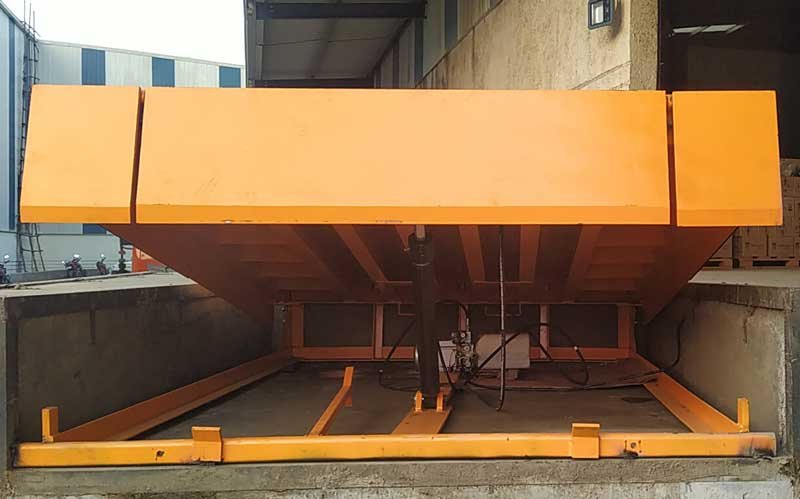
EXPLORE THE RANGE
Different Solutions for Different Loading Interfaces.
Explore the existing NGT Docking Equipment range.
Final equipment selection should consider the loading-bay layout, vehicle interface, level difference, load, handling equipment and operating frequency.
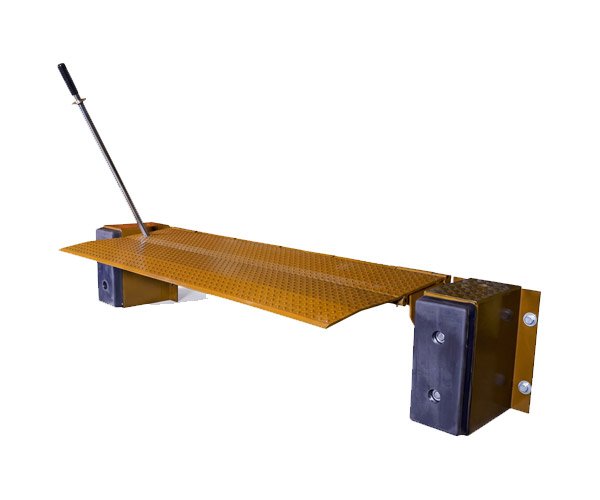
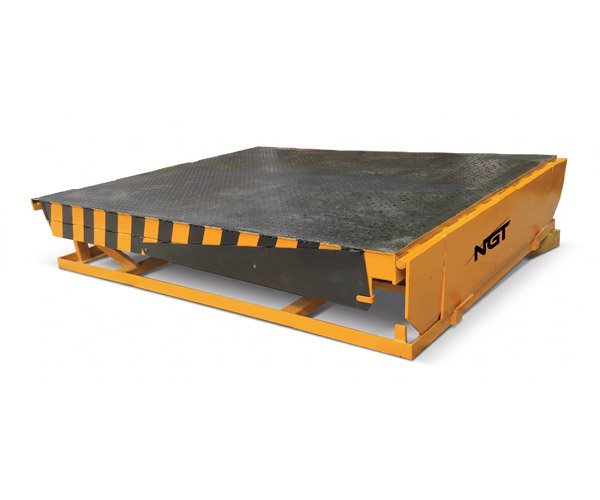
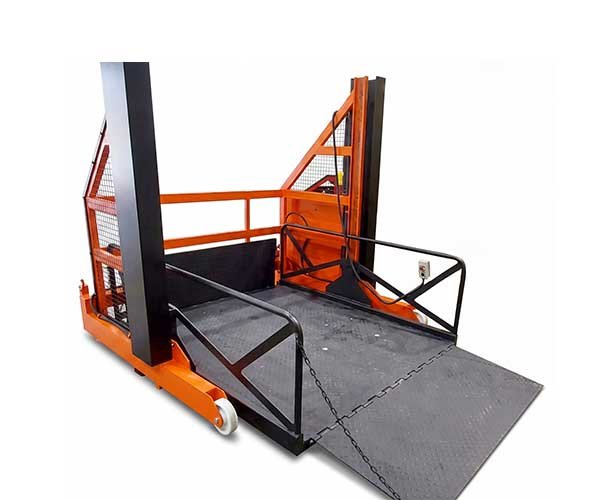
WHICH DOCKING SOLUTION DO YOU NEED?
Start With How the Load Crosses the Height Difference.
01
Fixed Dock + Vehicle Interface
For suitable loading bays requiring a compact dock-to-vehicle transition.
Explore:
Edge Dock Leveler
02
Regular Dock Loading
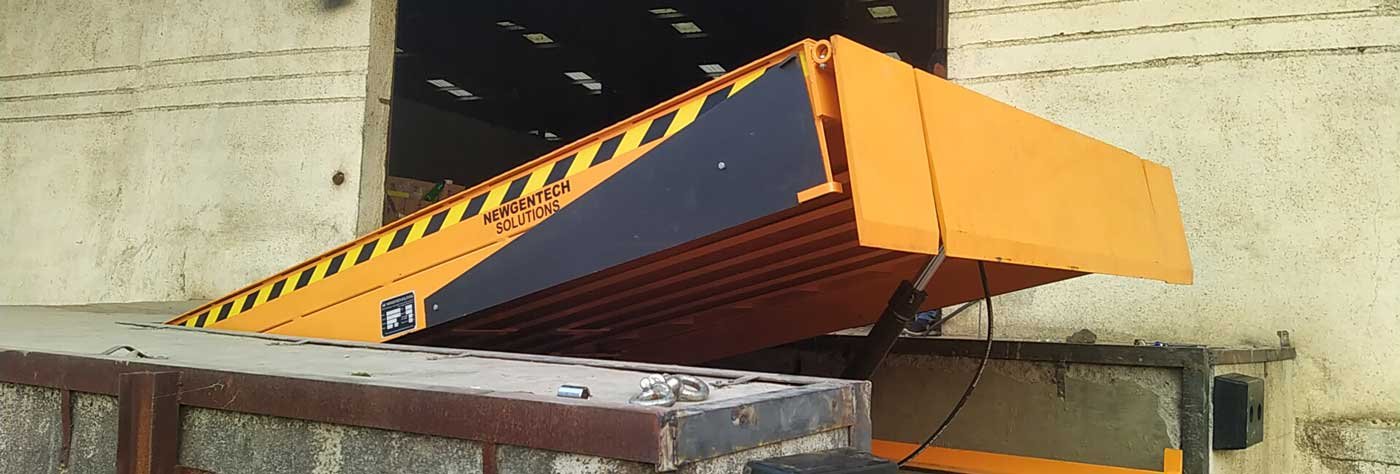
For established loading bays where a powered dock interface needs to accommodate suitable vehicle-height variation.
Explore:
Hydraulic Dock Leveler
03
Flexible Dock Location
Where the loading interface needs greater flexibility than a permanently fixed dock installation.
Explore:
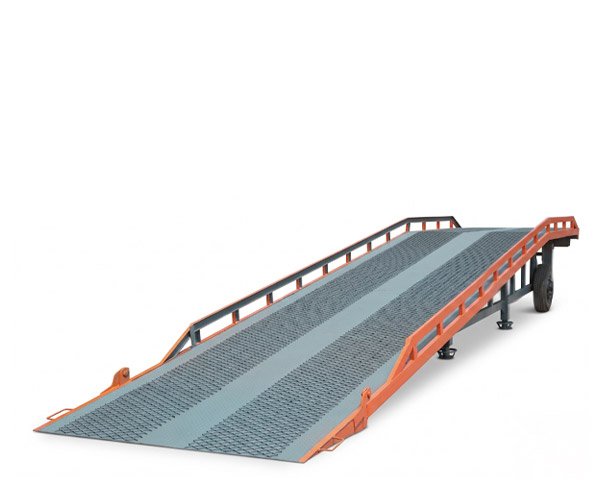
Mobile Dock Leveler
04
Ground-to-Vehicle Access
Where suitable material-handling equipment needs an access route between ground level and a raised loading level.
Explore:
Mobile Ramp
05
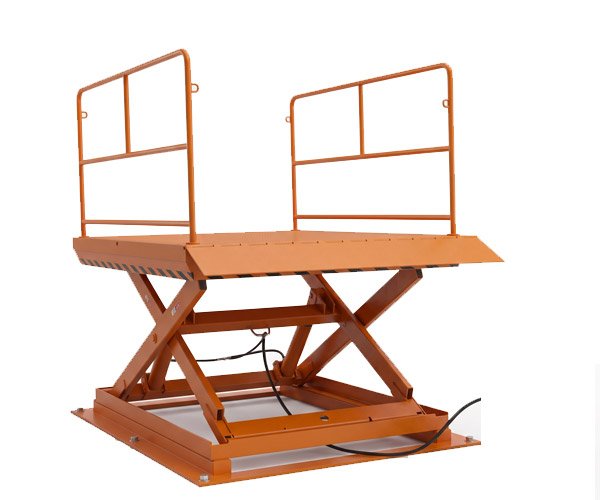
Vertical Load Transfer
Where loads need controlled elevation between two operating heights.
Explore:
Stationery Scissor Lift
06
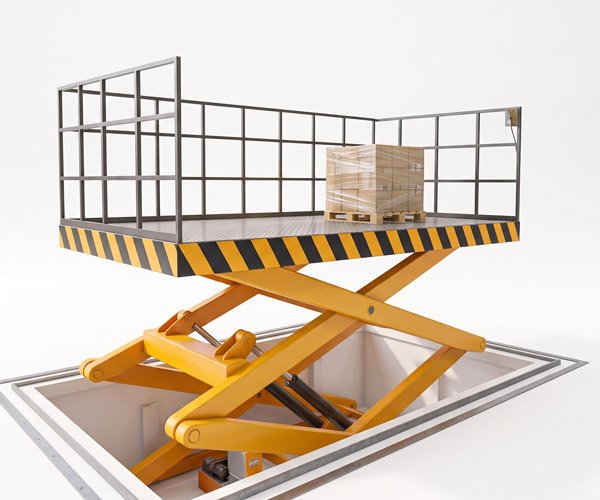
Integrated Floor-Level Lifting
Where a scissor-lift platform needs to integrate into a suitable pit arrangement.
Explore:
Pit-mounted Scissor Lift
CHOOSING THE TRANSFER METHOD
The Right Solution Depends on How the Level Difference Needs to Be Bridged.
Dock Levelers
For applications where the warehouse already has a loading-dock interface and the primary requirement is bridging the dock-to-vehicle transition.
Relevant:
Mobile Ramp
For applications where equipment requires an inclined access route between ground level and a raised loading position.
Relevant:
Scissor Lifts
For applications where the load itself needs controlled vertical movement between different operating levels.
Relevant:
The correct transfer method depends on the site layout, vehicle interface, height difference, load and material-handling process.
SITE CONFIGURATION MATTERS
Not Every Facility Has the Same Loading Infrastructure.
Fixed Loading Bay
Where loading and unloading takes place at established dock positions.
Relevant solutions may include:
- Edge Dock Leveler
- Hydraulic Dock Leveler
- Suitable fixed lifting solutions
Flexible Loading Requirement
Where loading activity needs to occur outside a conventional fixed dock arrangement or across different operating locations.
Relevant solutions may include:
- Mobile Dock Leveler
- Mobile Ramp
- Application-specific lifting solutions
The final solution should be selected after reviewing the actual loading area and operating process.
CONNECTED INTRALOGISTICS
The Dock and the Handling Equipment Have to Work Together.
A dock interface must accommodate not only the load but also the equipment moving it.
Relevant equipment may include pallet trucks, powered pallet trucks, stackers, forklifts and other application-specific handling equipment.
Load
What is being transferred?
Equipment
What equipment is crossing or working at the interface?
Level Difference
What heights need to be connected?
Route
How does material approach and leave the loading area?
Space
What manoeuvring and staging area is available?
Duty
How frequently does the operation repeat?
Supporting Loading and Unloading Across Different Operations.
Warehousing
Support movement between receiving, storage and vehicle interfaces.
Logistics & 3PL
Support suitable inbound and outbound material-transfer operations.
Manufacturing
Support receipt of raw material and dispatch of finished goods.
Distribution Centres
Support suitable receiving and dispatch workflows.
E-commerce & Fulfilment
Support loading and unloading around distribution and fulfilment operations.
Industrial Facilities
Address suitable transfer requirements where loads need to move between different operating levels.
Support Beyond Equipment Supply.
SALES
Evaluate docking and loading equipment around the actual transfer requirement.
SERVICE
Technical support and maintenance for applicable equipment.
SPARES
Spare-parts support for applicable equipment.
Tell Us How the Load Needs to Move Between the Warehouse and Vehicle.
Share the loading area, vehicle interface, level difference, load and handling process. NGT can help identify the docking-equipment category worth evaluating.