
Built for Efficient Vertical Material Handling.
Moving a pallet is only part of the job. When materials need to be lifted, positioned or stacked, the equipment must match the load, required lift height, pallet configuration and available operating space.
NGT’s stacker portfolio covers manual, semi-electric, powered and specialized configurations, providing options for different material-handling requirements.
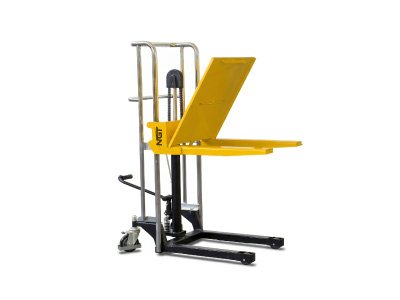
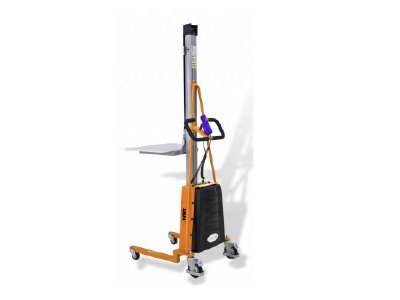
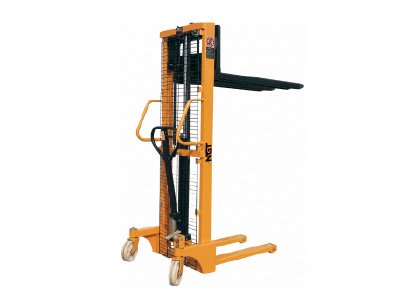
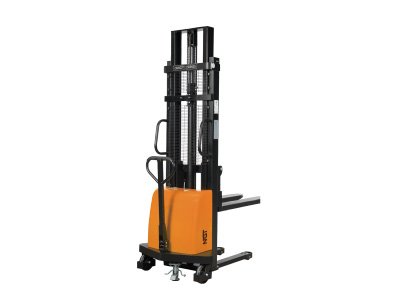
Manual & Battery Stackers
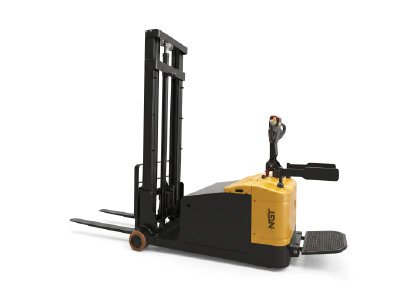
Four Things We Need to Know.
Designed Around the Way Materials Move.
WHICH STACKER DO YOU NEED?
Start With the Way the Load Needs to Be Lifted and Moved.
OCCASIONAL LIFTING & STACKING
For suitable lower-frequency operations where a simpler manual handling approach may be sufficient.
Relevant product:
Manual Stacker
POWERED LIFTING
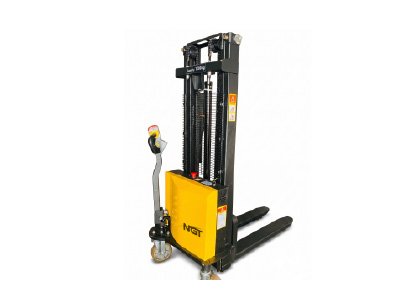
Where powered lifting can reduce manual effort but powered travel may not be necessary.
Relevant product:
Semi Electric Stacker
POWERED MOVEMENT + STACKING
Where both travel and lifting need powered assistance.
Relevant product:
Walkie Stacker
HIGHER-DUTY OPERATION
Where handling frequency or operating duty requires a more robust powered approach.
Relevant product:
Heavy Duty Power Stacker
REACH REQUIREMENT
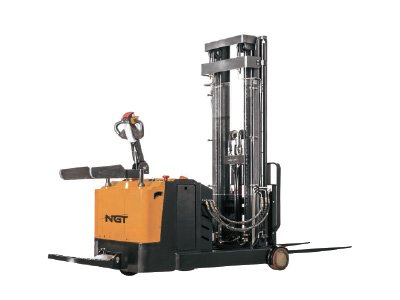
Where the load needs to be positioned beyond the normal operating position of a conventional stacker configuration.
Relevant product:
Reach Stacker
SPECIAL LOADING / TRAVEL REQUIREMENT
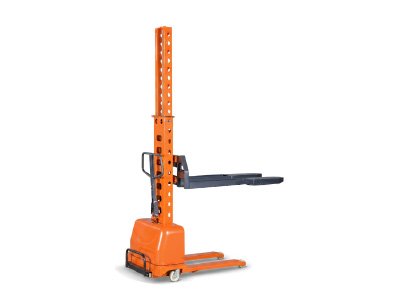
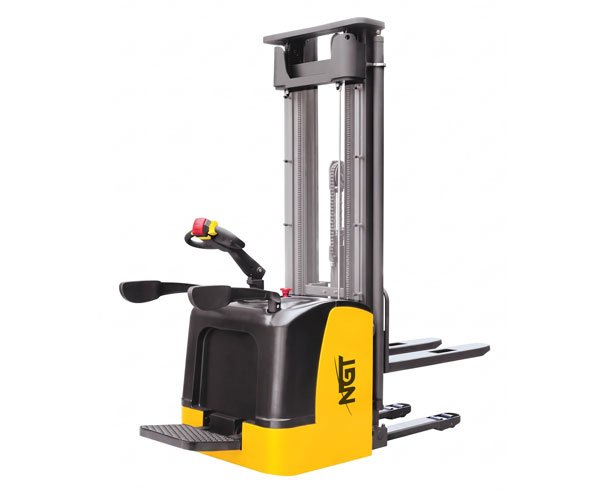
Where the application involves self-loading functionality or operator-platform travel.
Relevant products:
Self Loading Stacker
Platform Stacker
CHOOSING THE OPERATING METHOD
Operating Frequency and Travel Can Change the Equipment Requirement.
Manual
May be suitable for lower-frequency lifting and stacking applications where manual movement and lifting remain practical.
Relevant product:
Manual Stacker
Semi-Electric
May be suitable where powered lifting is beneficial while the movement requirement remains appropriate for a simpler travel arrangement.
Relevant product:
Semi Electric Stacker
Powered
May be worth evaluating where movement, lifting and stacking are more frequent or where operating duty makes powered travel relevant.
Relevant products:
The operating method should not be selected from frequency alone. Load, travel distance, floor conditions, gradients, lift requirement and working space should also be considered.
From Stores and Warehouses to Production and Dispatch.
Warehousing
Support pallet put-away, retrieval, stacking and internal movement.
Manufacturing
Support materials, components and work-in-progress around stores and production areas.
Logistics & 3PL
Support suitable pallet movement and stacking across distribution operations.
E-commerce
Support palletised inventory movement and replenishment around fulfilment operations.
Retail & Distribution
Support appropriate pallet storage and internal movement requirements.
Industrial Operations
Support suitable lifting and positioning requirements within operational areas.
Support Beyond Equipment Supply.
SALES
Evaluate stacker configurations around the actual handling requirement.
SERVICE
Technical support and maintenance for applicable material-handling equipment.
RENTALS
Rental options for suitable temporary, peak-demand or additional-capacity requirements, subject to equipment availability.
SPARES
Spare-parts support for applicable equipment.