
MATERIAL HANDLING EQUIPMENT
Tuggers & Trolleys for Flexible Internal Material Movement.
Not every material-handling requirement involves a pallet truck or forklift.
Components, equipment, bins, platforms and other loads often need to be moved, supported, positioned or transported between work areas using a different handling approach.
NGT offers tuggers, trolleys and supporting equipment for different internal material-movement applications.
START WITH THE MOVEMENT
What Needs to Move — and How Should It Be Handled?
Internal material movement can involve much more than transporting a standard pallet.
Some applications require a simple platform for manual transport.
Others may involve:
- moving heavy equipment
- transporting components between workstations
- towing loads across longer internal routes
- raising a load towards working height
- supporting machinery during movement or maintenance
- handling items that do not fit conventional pallet equipment
EXPLORE THE RANGE
Different Equipment for Different Movement Requirements.
Explore the available NGT Tugger & Trolleys product categories below.
Final equipment selection should be based on the actual load, movement, route, operating environment and handling requirement.
APPLICATION GUIDE
Start With What the Load Needs to Do.
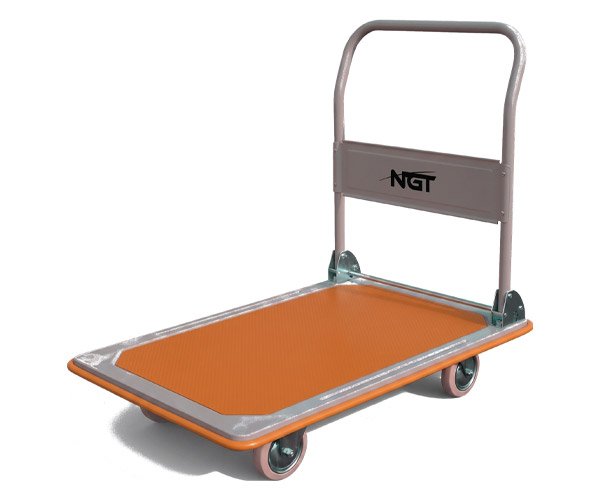
MOVE MATERIAL MANUALLY
For suitable loads requiring straightforward movement over short internal routes.
Relevant product:
Platform Hand Truck
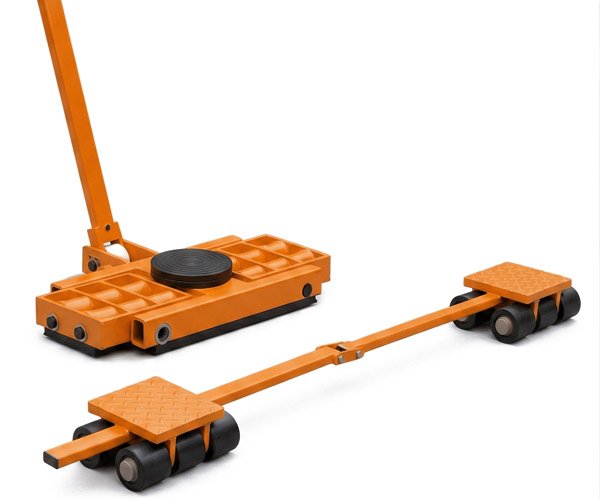
MOVE HEAVY EQUIPMENT
Where machinery or heavy equipment needs controlled repositioning.
Relevant product:
Heavy Duty Skates
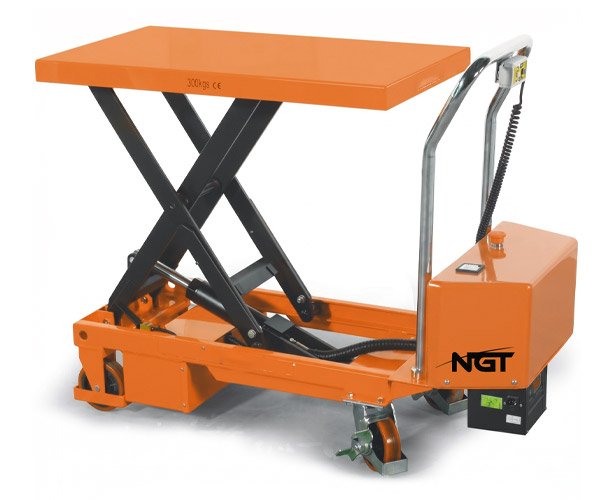
MOVE + RAISE
Where the load needs transportation together with elevation towards a working or transfer height.
Relevant product:
Scissor Lift Table Truck
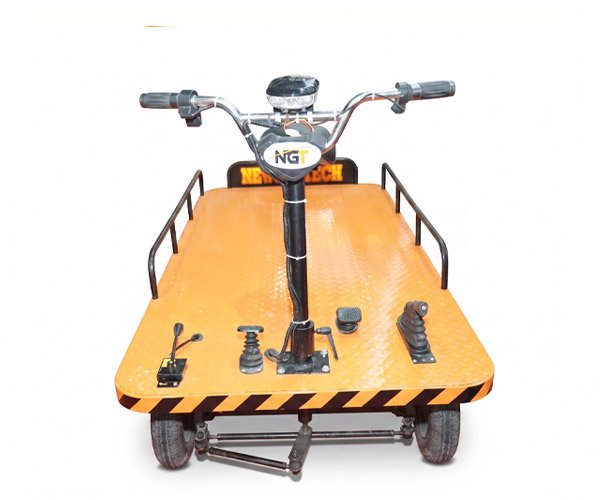
TOW ACROSS INTERNAL ROUTES
Where repeated load movement or towing is required over appropriate operational routes.
Relevant product:
Ride-on Electric Walkie Tugger
LIFT OR SUPPORT EQUIPMENT
Where controlled lifting or support is required as part of handling or maintenance.
Relevant product:
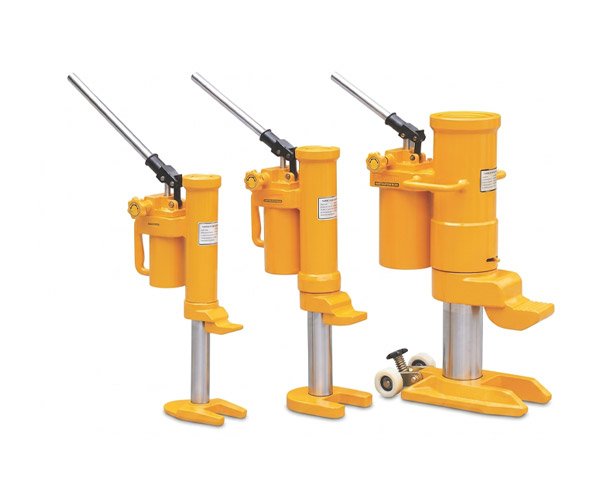
Hydraulic Jack
CHOOSING THE HANDLING METHOD
The Movement Method Changes the Equipment Requirement.
PUSH / MANUAL TRANSPORT
For suitable material that can be safely transported on a manually moved platform.
Explore:
Platform Hand Truck
TOW
For suitable loads that need powered towing across defined internal routes.
Explore:
Ride-on Electric Walkie Tugger
LIFT + MOVE
For applications requiring both mobility and load elevation.
Explore:
Scissor Lift Table Truck
SUPPORT / POSITION
For appropriate heavy-load positioning, equipment movement or lifting requirements.
Explore:
Heavy Duty Skates
Hydraulic Jack
The final handling method should be selected around the load, route, floor condition, movement frequency, operating space and required interaction with the material.
BEFORE YOU CHOOSE
Start With the Application Details.
01
WHAT IS THE LOAD?
Understand its weight, dimensions, geometry and how it can safely be supported.
02
HOW DOES IT NEED TO MOVE?
Push, tow, roll, lift, position or a combination of movements.
03
HOW FAR WILL IT TRAVEL?
Short workstation movements and repeated internal transport routes may require different approaches.
04
WHAT DOES THE ROUTE LOOK LIKE?
Consider floor condition, gradients, doorways, aisle width, turning space and access.
05
HOW OFTEN WILL IT BE USED?
Frequency and operating duty can affect whether manual or powered movement should be evaluated.
NGT can use these application details to help identify the relevant handling category to evaluate.
Flexible Movement Across Industrial Operations.
Manufacturing
Move components, materials, tools and work-in-progress between process areas.
Warehousing
Support suitable non-pallet and internal transport requirements.
Automotive
Support appropriate component, tooling and internal movement applications.
Logistics & Distribution
Move suitable materials between receiving, storage, staging and dispatch activities.
Maintenance & Engineering
Support suitable equipment movement, lifting and positioning tasks.
Production Support
Help connect materials and equipment with workstations and operational areas.
Support Beyond Equipment Supply.
SALES
Evaluate material-movement equipment around the actual application.
SERVICE
Technical support and maintenance for applicable material-handling equipment.
RENTALS
Rental options for suitable temporary or additional-capacity requirements, subject to availability.
SPARES
Spare-parts support for applicable equipment.
Tell NGT What Needs to Move and How It Needs to Move.
Share the load, route and operating requirement, and NGT can help identify the relevant handling approach to evaluate.